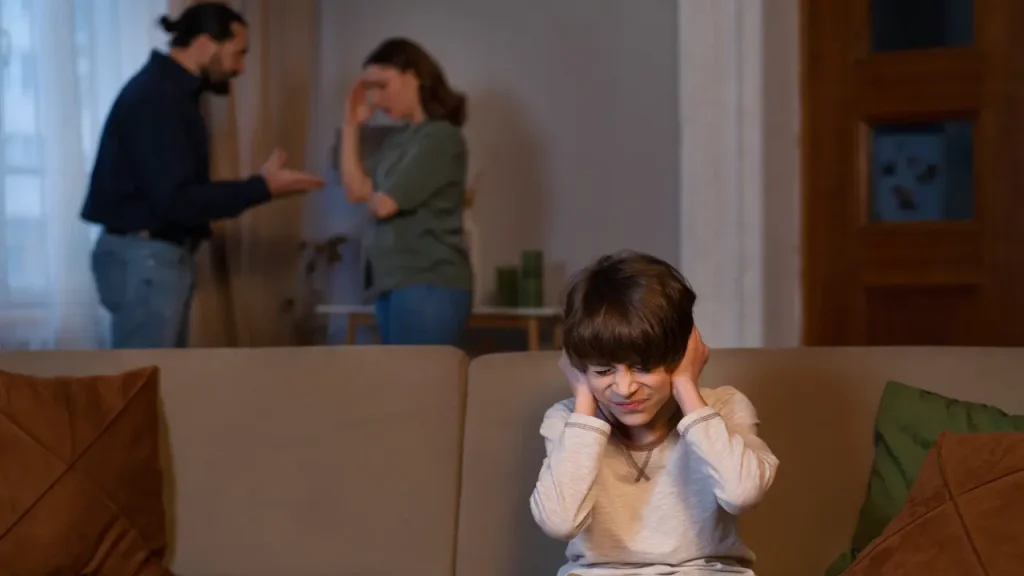
When parents argue, children don’t just hear raised voices they feel emotional pain that can last a lifetime. This blog explores how parental conflict affects children emotionally, psychologically, and physically, with a real-life story of a young man whose parents’ ongoing disputes continued to impact him into adulthood. Learn how to break the cycle and create a safe, peaceful environment for growth and healing.
When Parents Argue: The Hidden Impact on Children
Family life is not without its challenges. Every home has moments of disagreement, tension, and misunderstanding. But when arguments between parents become frequent, intense, or unresolved especially in front of children the emotional ripples can last a lifetime. As adults, we often underestimate how deeply children absorb what they see and hear. For them, conflict between the two people they rely on most can feel like their entire world is falling apart.
The Emotional Impact
Children are emotionally sensitive and highly observant. Even when they don’t understand the words being exchanged, they sense tension, tone, and body language. Witnessing frequent arguments can make children feel:
- Fear and insecurity – They may worry about the stability of their home or fear that their parents will separate.
- Guilt and self-blame – Younger children, in particular, often think they caused the fight.
- Sadness and anxiety – Ongoing tension at home can create an emotional burden that leads to worry, sleep problems, or withdrawal.
Over time, constant exposure to conflict can erode a child’s sense of safety something every child needs to thrive.
The Psychological Impact
Children learn how to relate to others by watching their parents. When arguments become aggressive, disrespectful, or unresolved, it can shape how children handle conflict in their own lives. They may:
- Develop low self-esteem or feel unwanted.
- Struggle with trust and attachment, finding it difficult to build healthy relationships later in life.
- Adopt similar patterns of anger or avoidance, repeating what they witnessed at home.
Some children internalise the stress, leading to anxiety or depression, while others externalise it through anger, aggression, or poor behaviour at school.
The Physical Impact
Social work education is rooted in theory. From attachment theory (Bowlby) to systems theory, anti-oppressive practice, and intersectionality, we’re taught to view people within broader social contexts.
As mothers and students, we experience these theories first hand. For instance:
Emotional distress doesn’t stay in the mind, it often shows up in the body. Children who live in high-conflict homes may experience:
- Headaches, stomach aches, or other stress-related symptoms.
- Sleep disturbances or nightmares.
- In some cases, delayed development or poor concentration due to chronic stress.
Research shows that prolonged exposure to parental conflict can even affect brain development, especially in young children, shaping how they respond to stress for years to come.
The Lasting Effects into Adulthood
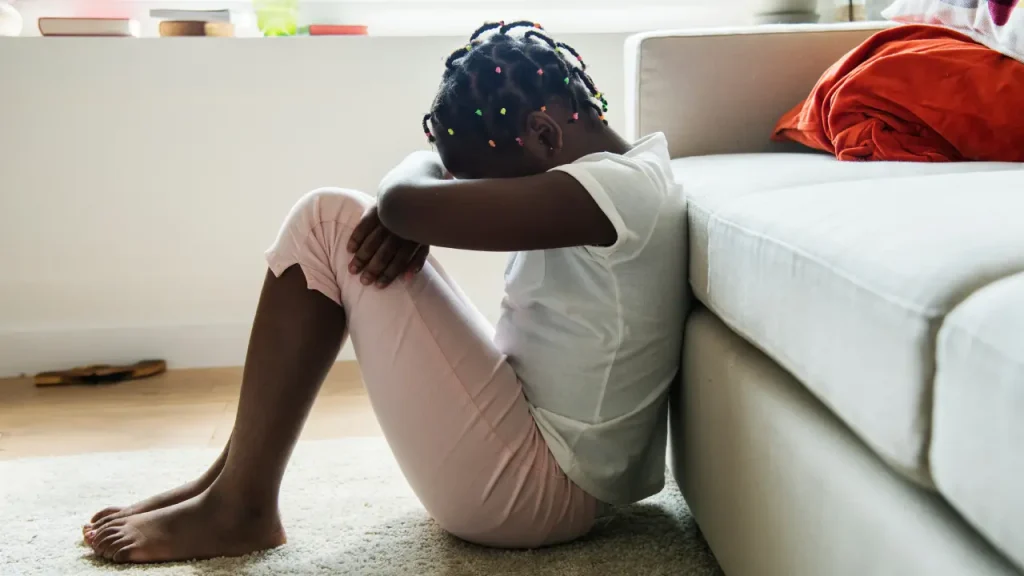
The emotional scars of growing up in a hostile home don’t simply fade with age. Adult children who were often exposed to parental conflict may:
- Struggle with intimacy and communication in relationships.
- Fear commitment or conflict, leading to emotional withdrawal.
- Recreate familiar patterns, engaging in unhealthy or turbulent relationships.
- Battle long-term mental health challenges such as anxiety or depression.
A Real-Life Example: When Conflict Follows a Child into Adulthood
To understand how deeply parental conflict can affect a child, consider the story of a young man with autism and learning difficulties.
From a young age, he grew up in a home where his parents argued constantly. Their disagreements were loud, emotional, and often unresolved. As a child, he began to mimic what he saw shouting, lashing out, and becoming physically aggressive when frustrated. This was the only way he knew how to express his emotions, as he had learned that anger and chaos were part of daily communication.
As he grew older, his behaviour became more challenging. Eventually, he moved into supported living accommodation, where staff could provide him with the care and structure he needed. However, the difficulties did not end there. Despite being in a new environment, his parents continued to visit often bringing their arguments with them. Staff reported that his mother frequently shouted or complained about his father, and sometimes both parents argued in front of him at the accommodation.
This ongoing exposure to conflict continued to destabilise the young man. Although he was now an adult and living independently, emotionally he was still trapped in the cycle of parental tension. His anxiety and aggression resurfaced each time his parents’ visits became confrontational, undoing much of the progress he had made.
This situation raises difficult but necessary questions for professionals and families alike:
- How can we protect this young man’s emotional and psychological safety?
- What boundaries need to be set for his parents to ensure their visits are positive and non-disruptive?
- What support can be offered to help the parents understand the impact of their behaviour and to manage their own communication better?
In planning for his continued wellbeing, it may be necessary to consider structured family involvement perhaps limiting visits or requiring joint sessions with a family support worker or psychologist. The goal should not be to cut off his parents, but to create a calm, consistent, and safe environment that allows him to thrive without being drawn back into emotional chaos.
Breaking the Cycle

The good news is that parents can make a difference. Children don’t need a “perfect” home they need a safe one. Here are some positive steps:
- Model calm communication – Disagree respectfully and show your child that conflicts can be resolved peacefully.
- Reassure them – Let them know the argument isn’t their fault and that they are loved.
- Apologise and repair – When things get heated, show them that adults can admit mistakes and make amends.
- Seek support – Family counselling or parenting guidance can help break patterns of unhealthy communication.
- Conclusion – Choosing Peace for the Next Generation
Every child deserves to feel secure, loved, and protected. While occasional disagreements are inevitable, chronic conflict can leave invisible wounds that follow children into adulthood.
Parents, carers, and professionals all share a role in breaking this cycle. By choosing calm over chaos, communication over conflict, and understanding over blame, we can nurture a generation of children and adults who are emotionally strong, compassionate, and free from the echoes of past pain.
If you are a parent, carer, or professional witnessing the effects of conflict on a child, reach out for support. Early intervention, empathy, and honest reflection can make all the difference in restoring peace not just in the home, but in the hearts of those who live there.
About the Author
Dr Juliet Ahanonu, PhD (Social Work), MA Social Work, Diploma in Social Work, BSc & MSc Health
Dr Juliet Ahanonu is a dedicated social work professional, researcher, and educator with extensive experience supporting children, families, and vulnerable adults. Her work focuses on promoting emotional wellbeing, safeguarding, and empowering individuals to achieve stability and growth. Through her writing, Dr Ahanonu combines professional insight with heartfelt reflection to inspire understanding, compassion, and positive change in family and social care practice.