When a child goes into foster care, the world changes for everyone involved. For the child, it can feel confusing and frightening. For parents, it can be heartbreaking. And for social workers and carers, it sparks a journey of safeguarding and support.
But in the middle of all that change, there is one constant: children still need to feel connected to the people they love.
This is where supervised contact centres step in — acting as a safe, calm, and neutral space where families can begin to reconnect, rebuild trust, and simply spend time together again.
Why supervised contact exists
In the UK, thousands of children enter foster care each year due to concerns about safety and wellbeing. The immediate priority is always to protect the child — but protection doesn’t mean cutting family ties.
In fact, the long-term aim in many cases is often reunification. And reunification starts with something simple but powerful: regular, meaningful contact.
Supervised contact centres give families the opportunity to do this safely. Parents might visit weekly or every other week, depending on what the care plan requires. A trained contact officer is always present — not to judge, but to observe, support, and make sure the session remains positive and safe.
It’s a structured process, yes, but it’s also an emotional one. For many families, it’s the first step toward rebuilding what was lost.

What makes a good supervised contact centre?
At Springcare Support Services, our Family Support Centre is designed to feel welcoming from the moment a family walks in. It’s not just a room with chairs; it’s a space meant to help people relax, reconnect, and feel human again.
Here’s what families find when they come through our doors:
- A bright and engaging game area where children can play with their parents
- A cosy lounge to read, talk, or simply sit together
- A small shop with snacks and drinks
- Clean, accessible toilet facilities
- A handy kitchen area
- Warm, friendly staff ready to guide, support, and reassure
And behind it all: highly trained contact officers, committed to safeguarding while treating every family with respect and dignity.
We are proud to be accredited by the National Association of Child Contact Centres (NACCC) — joining just 288 accredited centres across the UK as of April 2025.
Why contact really matters
Family separation can be deeply traumatic for children and their parents. Even when a child has experienced neglect, instability, or difficult behaviour from a parent, the emotional bond doesn’t disappear.
Supervised contact helps in many ways:
💛 It reassures the child
They learn: “My mum/dad still cares about me. I’m not forgotten.”
💛 It gives parents a chance to show change
Sessions allow parents to demonstrate healthier, safer interactions — something that’s vital in reunification planning.
💛 It supports emotional wellbeing
Play, laughter, reading together — these moments help rebuild memories and ease anxiety.
💛 It helps professionals make informed decisions
Contact officers observe parenting skills in real time, helping social workers and courts understand what the future could look like for the child.
For some families, contact is a stepping stone toward reunification. For others, it provides emotional stability during long court processes. Either way, it matters.

The challenges families face
Supervised contact is not always easy.
Parents may feel anxious about being observed. Children may experience mixed emotions. Families sometimes struggle with travel, scheduling, or the emotional weight of visits.
And yet — despite all of this — contact remains one of the most important tools we have to support children through family separation.
- It reminds them they are loved.
- It helps keep their story whole.
- It gives them hope.
What the law says
The Children Act 1989 places a clear responsibility on local authorities to promote contact between children in care and their birth families — unless it isn’t safe to do so. Courts often order supervised contact when there are concerns such as domestic abuse, substance misuse, mental health issues, or risk of harm.
Supervised contact centres ensure that children stay connected without compromising safety.
That balance — safety and connection — is at the heart of everything we do.
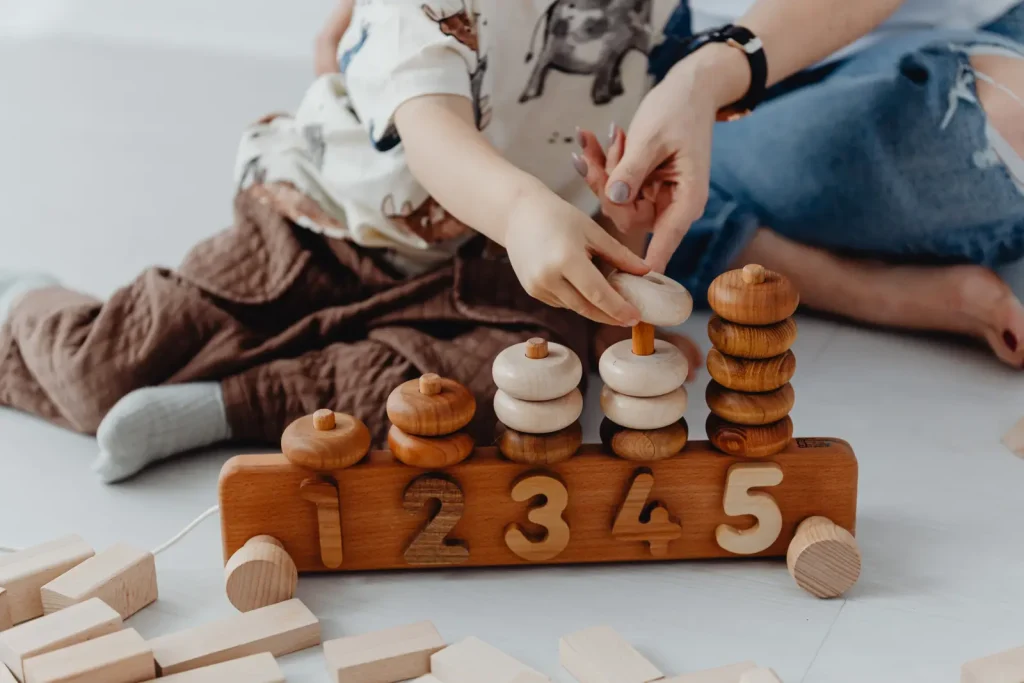
A space for healing
At Springcare, we like to think of our contact centre as more than a facility.
It’s a healing space.
- A place where families can slowly rebuild trust.
- A place where children can laugh and play with a parent who misses them deeply.
- A place where social workers can gather the information they need to help shape the future.
- For some families, it marks the beginning of reunification.
- For others, it offers comfort during a difficult chapter.
- For every child, it represents connection, safety, and hope.
Final thoughts
Supervised contact centres are a quiet but powerful part of the child protection system. Behind every visit is a story — a family trying, learning, healing, or hoping.
At Springcare, we are proud to be one of the accredited centres supporting families through this journey. Our goal is simple: to provide a safe, nurturing, child-centred environment where connections can grow and relationships can recover.
Because every child deserves the chance to stay connected to the people who matter to them.
And every family deserves a space where hope can begin again.