Protecting Staff, Service Users & Families During Hot Weather
23 June 2026
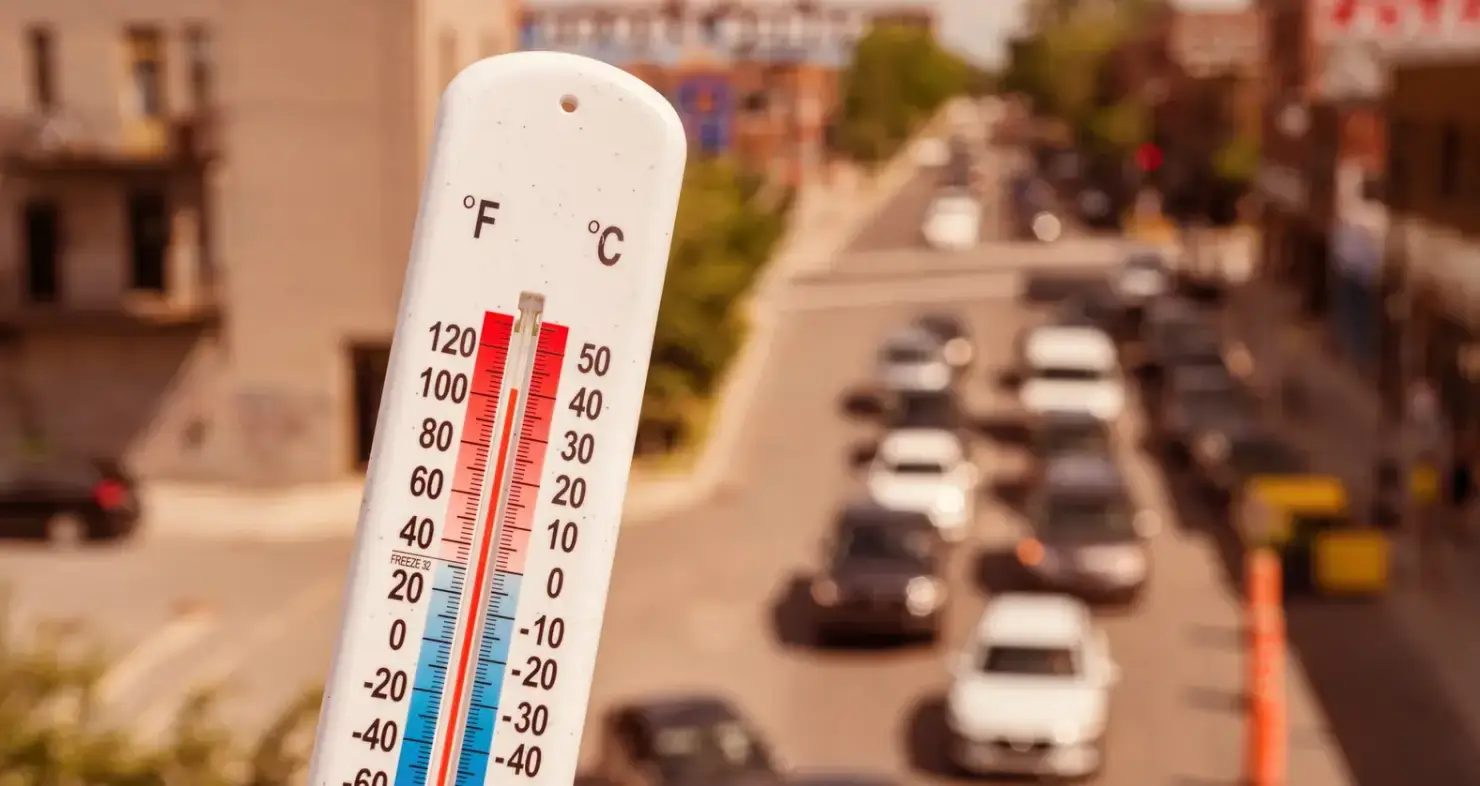
The UK is currently experiencing exceptionally high temperatures, with a rare Red Heat Warning issued for parts of England and Wales. Temperatures are expected to rise into the high 30s, creating significant health risks for everyone, not just those who are traditionally considered vulnerable. Recent warnings from the Met Office and UK Health Security Agency highlight the potential dangers associated with prolonged exposure to extreme heat, including dehydration, heat exhaustion, heatstroke, and increased pressure on health services.
At springcare, the health, safety, and wellbeing of our staff, service users, families, and visitors remain our priority. We encourage everyone to take sensible precautions during this period of unusually hot weather.
How to Stay Safe
💧 Keep Hydrated: Drink plenty of water throughout the day, even if you do not feel thirsty. Avoid excessive amounts of alcohol, caffeine, and sugary drinks, as these can contribute to dehydration.
🌞 Avoid the Hottest Part of the Day: Try to stay out of direct sunlight between 11am and 3pm, when temperatures are at their highest. If you need to go outside, seek shade wherever possible.
🧢 Dress Appropriately: Wear loose-fitting, lightweight clothing in light colours. A hat and sunglasses can provide additional protection when outdoors.
🏠 Keep Indoor Areas Cool: Close curtains and blinds in rooms exposed to direct sunlight. Open windows during cooler parts of the day and evening to improve ventilation.
👶 Pay Extra Attention to Vulnerable Individuals: Older adults, young children, pregnant women, and those with underlying health conditions may be particularly affected by extreme heat. Regularly check on family members, neighbours, and service users who may require additional support.
🚶 Adjust Activities: Consider reducing strenuous activities and exercise during the hottest hours. If physical activity is necessary, take regular breaks and drink water frequently.
🚗 Never Leave Anyone in a Vehicle: Temperatures inside vehicles can rise rapidly and become life-threatening within minutes, even when windows are partially open.
Recognising Heat Exhaustion
Signs of heat exhaustion may include:
- Dizziness or fainting
- Excessive sweating
- Headache
- Nausea or vomiting
- Muscle cramps
- Feeling weak or tired
If someone shows signs of heat exhaustion, move them to a cool place, encourage them to drink water, and seek medical advice if symptoms do not improve.
Looking After Service Users
Our teams are taking additional precautions during this period of extreme heat, including encouraging regular hydration, monitoring wellbeing, adapting activities where necessary, and ensuring service users have access to cooler environments throughout the day.
A Final Reminder
Heatwaves can affect anyone. Taking simple precautions can make a significant difference in preventing illness and ensuring everyone remains safe and comfortable during the hot weather.
Please continue to monitor weather updates and follow official guidance as conditions develop.
Stay cool, stay hydrated, and stay safe.